October 23, 2024
An exploration into how Strength and Conditioning differ from one another.

Author
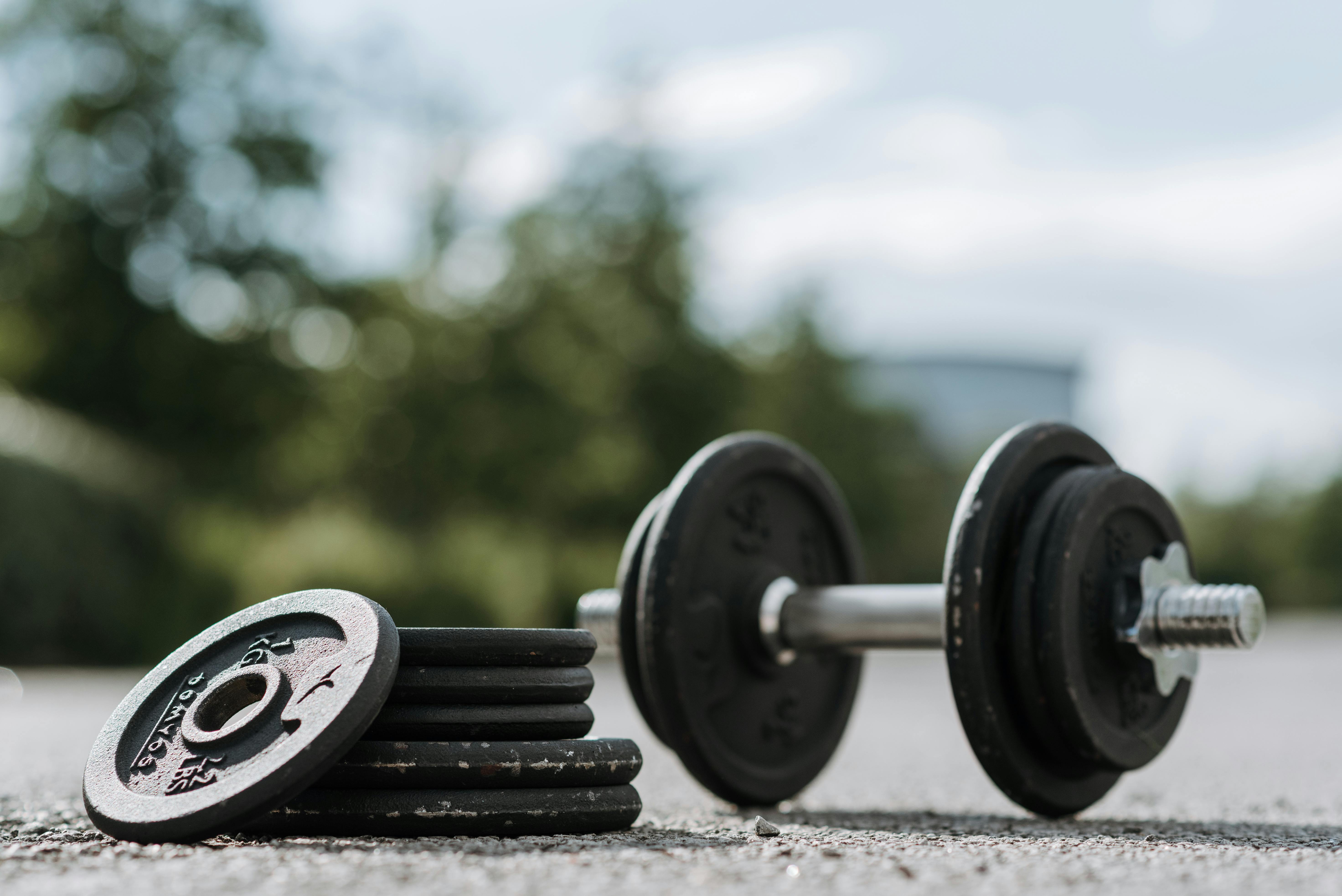
Strength and conditioning (S&C) is a performance-based discipline that focuses on developing physical qualities such as strength, speed, power, endurance, mobility, and injury resilience. It is commonly used in athletic populations but is equally effective for the general population when adapted appropriately.
S&C coaches typically work within a long-term development framework. This involves structured, periodised training plans that are backed by sports science, aimed at progressing an individual’s performance or helping them return to sport after injury. Testing, monitoring, and data-driven decisions are a core part of the process, not just training hard, but training smart.
Personal training usually takes a more generalised approach, focusing on improving overall fitness, weight management, muscle tone, and health. It’s often centred around one-to-one or small group sessions, with goals such as improving body composition, building confidence in the gym, or creating a sustainable exercise habit.
Personal trainers often provide lifestyle coaching, accountability, and support for those starting out in fitness or working toward personal goals. The relationship between trainer and client is key, and the focus is often on making sessions enjoyable, effective, and relevant to the client’s day-to-day life.
While both S&C coaches and personal trainers can help people get stronger, fitter, and healthier, there are some practical distinctions between the two.
An S&C coach will typically assess performance metrics, design progressive training blocks, and work with athletes or individuals who have sport-specific or movement-specific goals. The process may include sprint profiling, force output testing, mobility screening, and load management strategies, all tailored to performance or rehab outcomes.
A personal trainer may focus more on lifestyle-based outcomes, like improving energy levels, building strength safely, reducing body fat, or helping a client feel more confident and consistent in their fitness journey.
One is not better than the other, they simply serve different needs. In fact, many people benefit from a combination of both approaches over time.
If you are an athlete, recovering from injury, training for an event, or simply interested in structured performance progression, strength and conditioning may be the right fit for you. It’s ideal for those who want a longer-term, data-informed approach with clear progress markers.
If your goals are more general, such as improving overall fitness, building muscle tone, losing weight, or building a sustainable exercise routine, personal training can be an excellent place to start, especially if you’re looking for support and accountability.
Strength and conditioning and personal training are both valuable services with distinct approaches. The key is understanding which one aligns best with your current goals, lifestyle, and training experience.
If you’re unsure where to start, get in touch with us at Trinity Health. We’ll help assess your needs and guide you toward the path that will serve you best , whether that’s through structured S&C, general personal training, or a tailored blend of both.
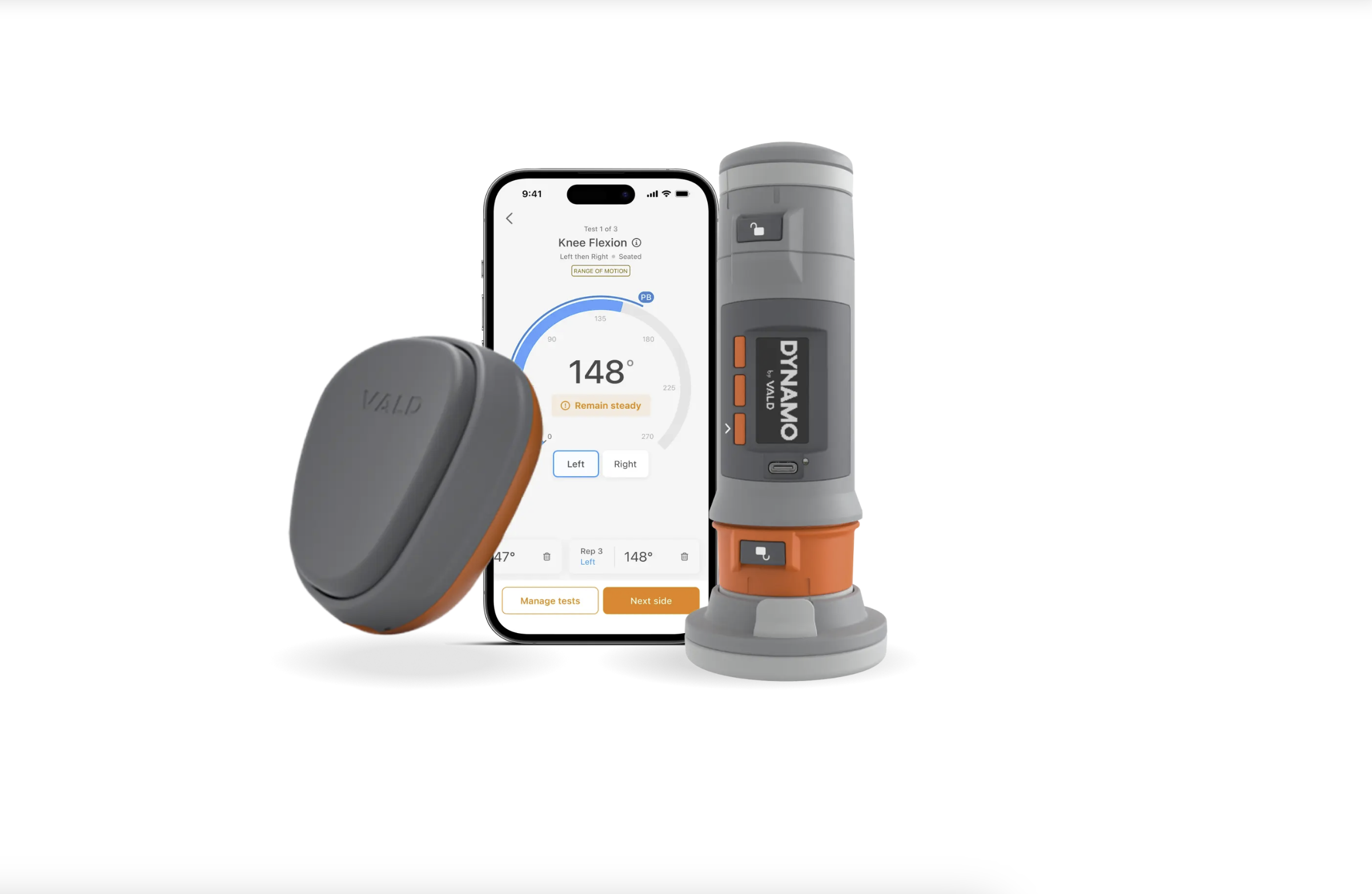
Information about strength and range of motion (ROM) testing and how it is beneficial over subjective assessment.
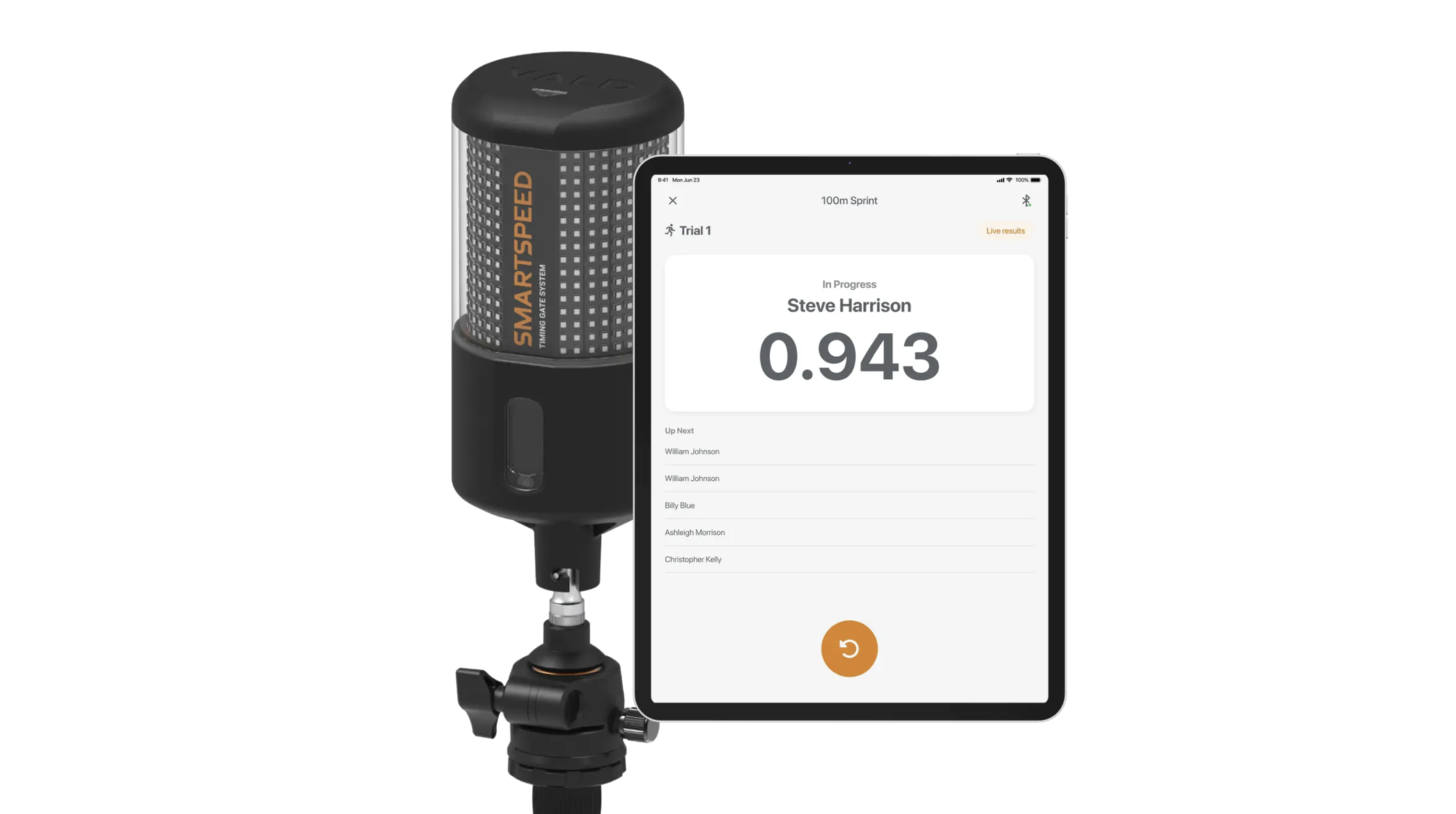
Information about timing gate system testing and how it is more beneficial over subjective assessment.
Become a member now and start your journey toward mastering your goals!