October 23, 2024
Information about strength and range of motion (ROM) testing and how it is beneficial over subjective assessment.

Author
Historically, physical assessments have often relied on subjective tools like manual muscle testing, goniometers, or a practitioner’s experience. While these methods can provide some insight, they are limited by human variability and interpretation. Results can vary depending on who’s doing the assessment, how well the client can describe what they’re feeling, and even their mood or fatigue levels that day.
This is where objective data makes all the difference.
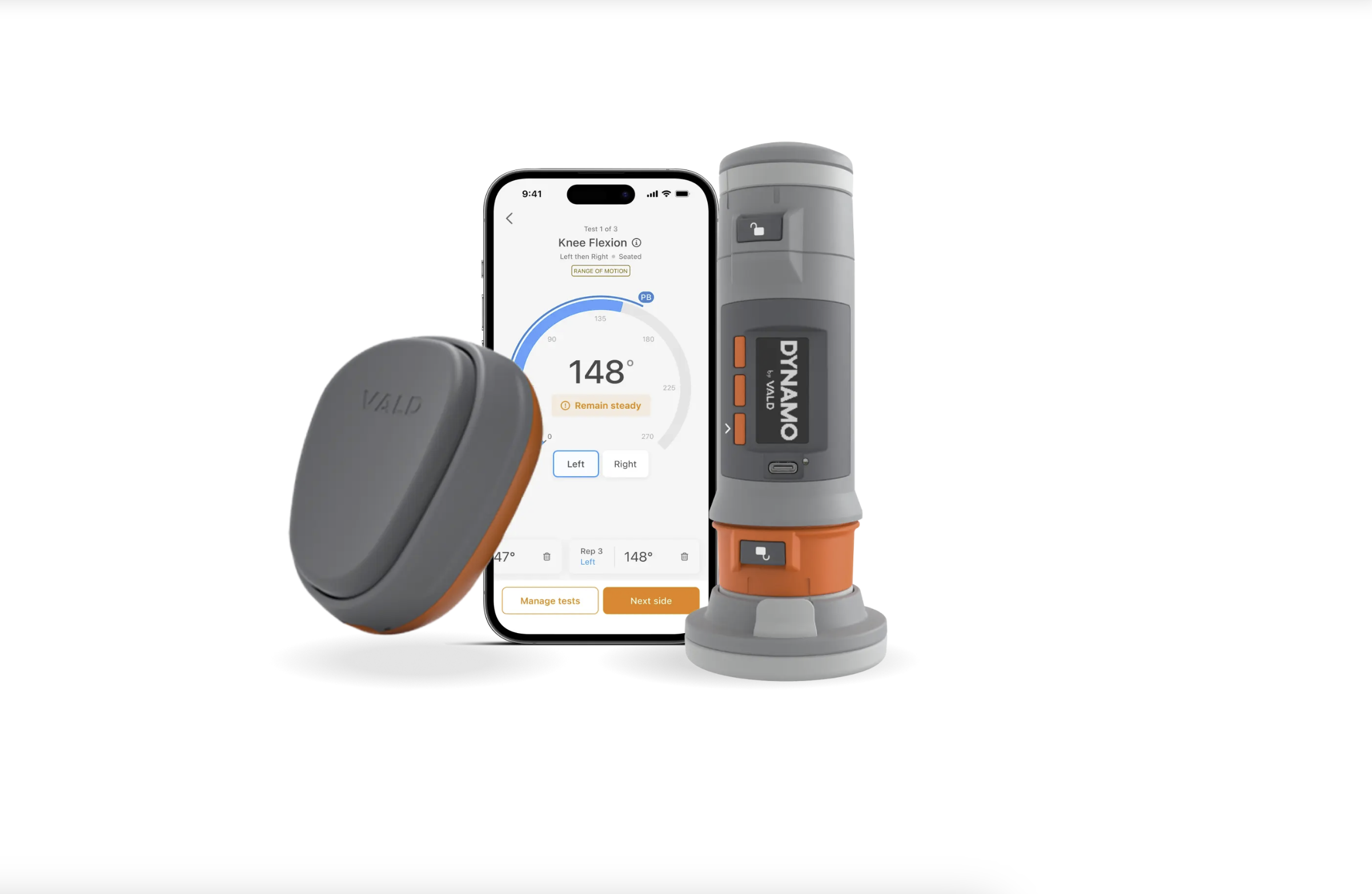
The VALD DynaMo provides measurable, repeatable results that take the guesswork out of assessment. Whether we're tracking improvements in shoulder external rotation or hamstring strength, we're basing our decisions on hard numbers. That means we can set accurate baselines, track progress over time, detect early signs of imbalance or weakness, and make well-informed return-to-play decisions. It also gives clients and athletes a clear picture of their development, which helps improve engagement and motivation.
The DynaMo is a versatile dynamometer and inclinometer capable of measuring isometric strength, joint range of motion, grip strength, and trunk and neck strength. It’s compact, portable, and integrates seamlessly with the VALD Hub, where all data is stored securely and displayed in an easy-to-understand visual format.
It can be used to test key areas like hamstrings, quads, adductors, and rotator cuffs for strength, and to assess mobility in areas such as the hips, shoulders, and ankles. Results are immediate, giving both practitioner and client the ability to make quick and informed adjustments to rehab or training plans.
The DynaMo is backed by clinical research and is trusted by elite sports teams, medical professionals, and rehab specialists worldwide.
Scientific research strongly supports the use of objective strength and ROM testing. Isometric strength testing has been shown to be highly reliable and a strong predictor of functional outcomes in both rehabilitation and athletic performance (Mentiplay et al., 2015; Thorborg et al., 2013).
In elite sport, deficits in hamstring and hip strength are linked to increased injury risk, especially in footballers and runners (Timmins et al., 2016). Similarly, research shows that asymmetries or limitations in range of motion can contribute to higher injury rates and poorer performance in activities requiring rotation, speed, or overhead movement (Clarsen et al., 2014).
Objective data helps identify these issues early, often before they cause pain or dysfunction, allowing for proactive intervention and more targeted programming. This makes it a powerful tool not just for elite athletes, but for anyone looking to move better, recover faster, and prevent injury.
Information about strength and range of motion (ROM) testing and how it is beneficial over subjective assessment.
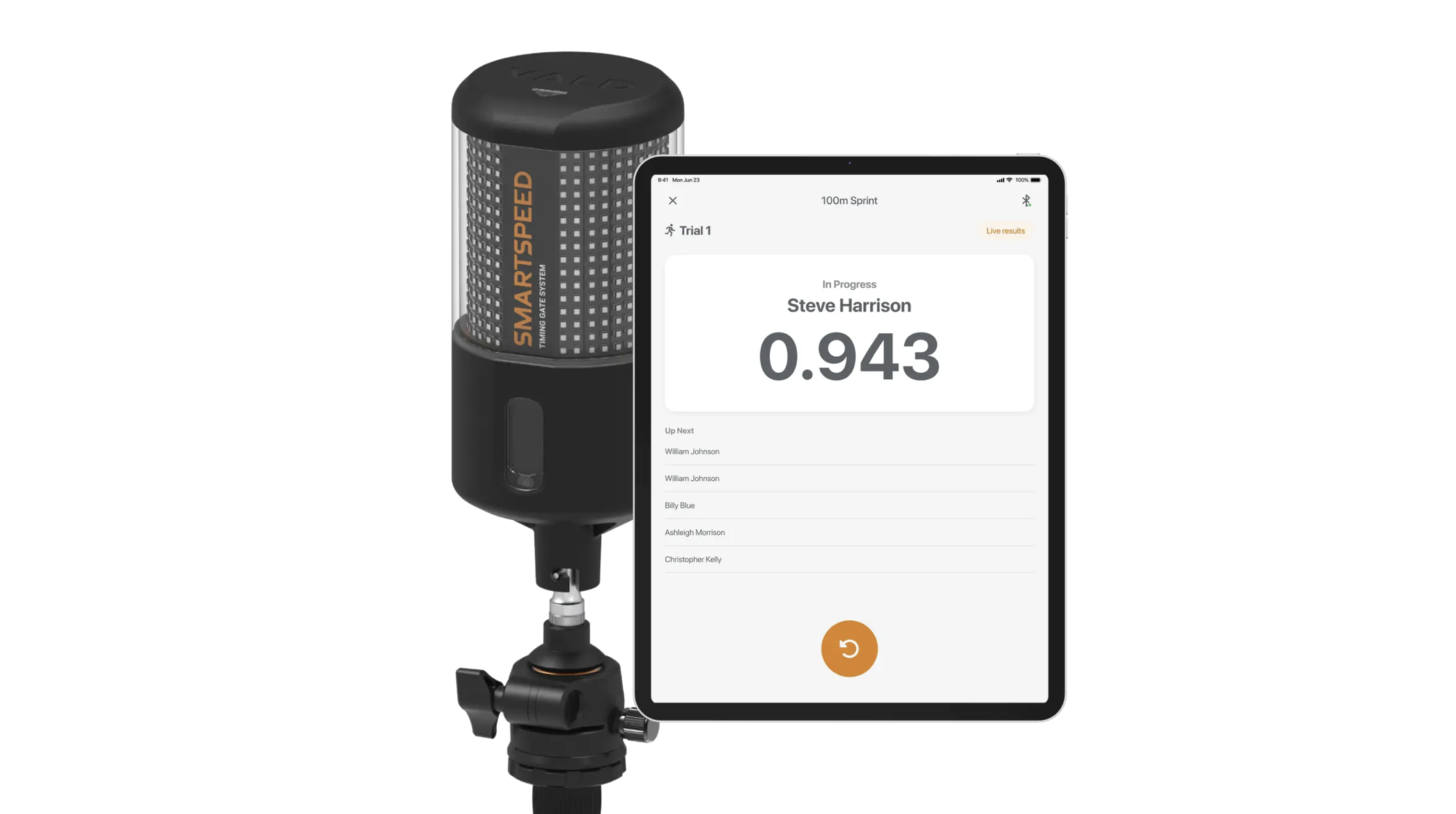
Information about timing gate system testing and how it is more beneficial over subjective assessment.
Become a member now and start your journey toward mastering your goals!